
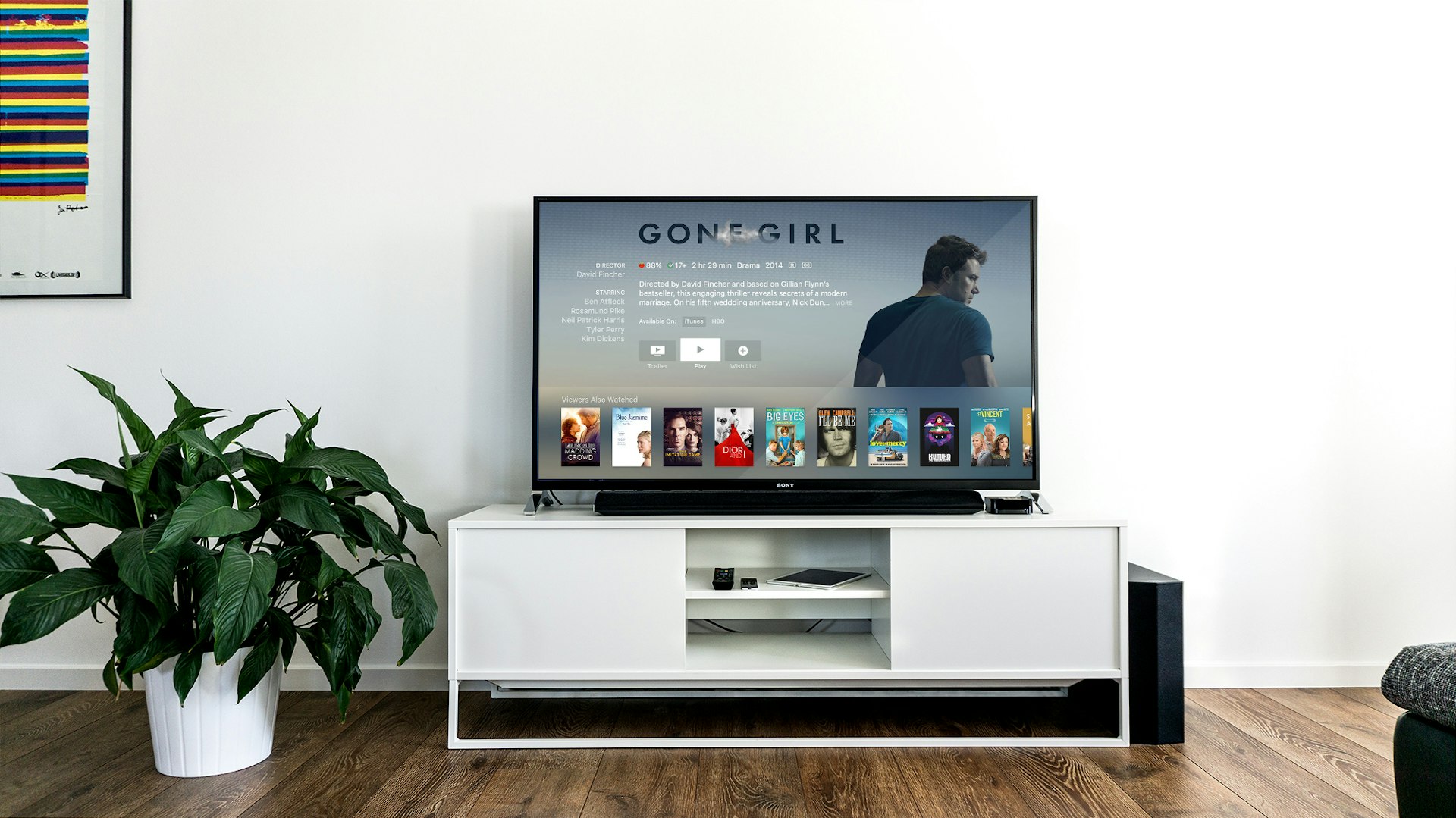
What a professional TV mount actually involves in a Denver home
Most of the calls we get about TV mounting start the same way: the TV is up, but it is crooked, too high, or trailing a bundle of cables down the wall. Getting it right depends less on the bracket than on what is behind the drywall. Denver housing stock varies enormously — pre-1940 homes in Wash Park and Platt Park often have plaster over lath with irregular framing, mid-century ranches in Hilltop and Virginia Vale usually have predictable 16-inch centers, and newer townhomes in Sloan's Lake or Sunnyside can hide steel studs, plumbing stacks, or engineered headers exactly where you want the bracket.
We start by locating and confirming structure, not just guessing from a stud finder beep. Over masonry and brick fireplaces we use sleeve anchors rated well past the display weight. Over steel studs we use toggle hardware sized for the panel and the mount's extension arm, because a full-motion arm at full reach multiplies leverage on the fasteners. Where framing does not line up with the desired center, we add blocking rather than shifting the TV off-center from the room.
Height matters as much as hardware. A TV centered for a standing photograph is usually 6 to 10 inches too high for a seated viewer, which is the most common complaint we fix on second visits. We set mounting height from your actual seating position and viewing distance, then confirm the sightline before anything permanent goes into the wall.