
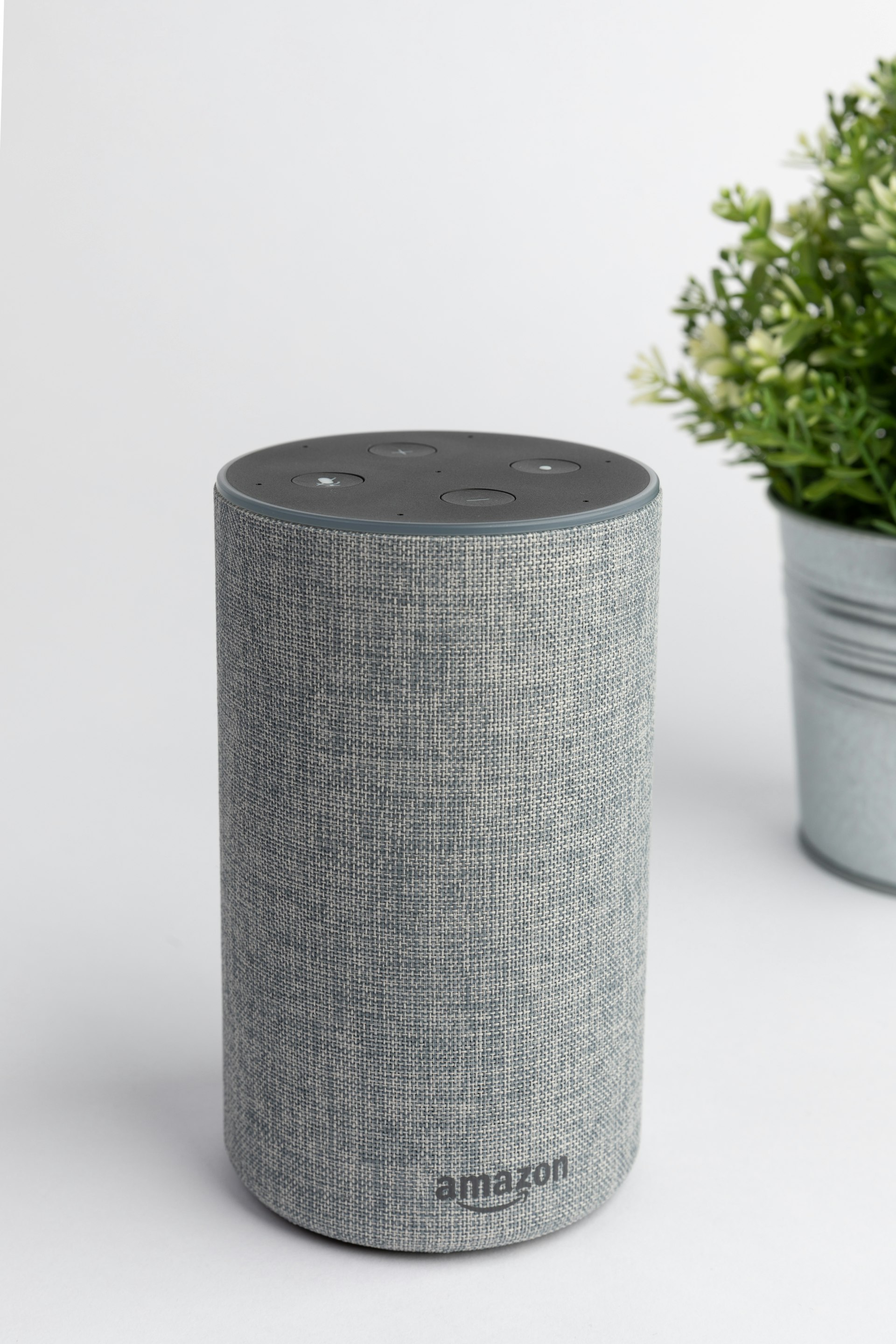
Voice control and smart assistant integration in a Parker Denver smart home

Voice control

Just say the word.

Native voice control in Denver homes — leading voice assistants and privacy-first local options integrated with your smart home automation, lights, shades, audio, climate, and security.

Voice control and smart assistant integration in a Parker Denver smart home

What's included with voice control

  • Integration with all major voice assistants
  • Privacy-first local processing options for sensitive rooms
  • Custom voice scenes — 'Movie time,' 'Goodnight,' 'Dinner party'
  • Multi-room microphone coverage with whole-home audio
  • Voice control for lighting, shades, HVAC, locks, and cameras
  • Tuned wake-word sensitivity to avoid false triggers

One command, whole house

Say 'goodnight' and watch lights dim, shades close, doors lock, and alarm arm.

Privacy-first option

Local processing available — nothing sent to the cloud, no ads, no listening.

Hear you anywhere

Mic coverage tuned room-by-room so you don't have to shout from the kitchen.

Making voice control actually reliable in a real Denver home

Voice control lives or dies on microphone placement and room acoustics, which is exactly the kind of thing that varies enormously across Denver's housing stock. An open-concept great room in a Highlands Ranch or Parker new build, with hard floors and high ceilings, can have more echo and background noise than voice recognition handles well, so we plan microphone coverage — often built into ceiling speakers or dedicated smart speaker placements — with those acoustics in mind rather than assuming a single device in the corner will hear commands clearly from across the room.

Older, more compartmentalized homes in neighborhoods like Park Hill or Berkeley, with smaller individual rooms instead of open floor plans, actually make voice coverage easier in some ways since each room is a more contained acoustic space, but they require more individual voice-enabled devices to get whole-home coverage rather than one great-room installation reaching several adjacent spaces at once.

Balancing convenience with privacy expectations

Not every household wants a cloud-connected microphone in every room, and we take that seriously rather than pushing a one-size-fits-all voice setup. For bedrooms, home offices, and other sensitive spaces, we offer privacy-first local processing options that keep voice commands from ever leaving the home network, giving households the convenience of voice control without a cloud service listening in those specific rooms. Public and semi-public rooms — kitchens, living rooms, media rooms — are typically where the major cloud-based assistants make the most sense, since their broader command libraries and third-party integrations are more useful in high-traffic shared spaces.

We also tune wake-word sensitivity per room during setup, since a kitchen with a running dishwasher or a media room with theater-level volume needs different sensitivity thresholds than a quiet home office, and getting this wrong is the most common reason a voice system feels unreliable or triggers itself accidentally.

Wiring voice commands into the rest of the automation system

Voice control is most useful as a layer on top of an existing smart home system rather than a standalone product, since the real value is being able to say "goodnight" and have lights, shades, locks, and the thermostat all respond together, not just turning one light on or off by voice. We build custom voice scenes around commands a household will actually use daily, tested against how people naturally phrase requests rather than requiring memorized exact phrasing.

For homes already running whole-home audio, we extend multi-room microphone coverage across the existing speaker infrastructure rather than adding entirely separate hardware, which keeps the voice system visually invisible — no new devices cluttering shelves or counters — while still delivering coverage in every room the audio system already reaches.

Frequently asked questions

How much does voice control cost to add to a Denver smart home?
If you already have a modern control system, adding voice typically runs $350–$1,200 for integration and scene programming. Adding microphone or smart speaker coverage throughout the home, tied into whole-home audio, usually lands between $2,000 and $8,000 depending on room count.
Which voice assistants do you integrate with?
All the major platforms, so you keep using whichever ecosystem your household already lives in. We map voice commands to real scenes in your control system rather than to loose individual devices, which is why the commands keep working after you add a room or replace a TV.
Is voice control a privacy risk?
It can be, which is why we offer local processing options for sensitive rooms — commands are interpreted on hardware inside your house rather than sent to a cloud service. We also leave microphones out of bedrooms and offices entirely when a client prefers that, and control those rooms with keypads or app scenes instead.
What can I actually control by voice?
Lighting and scenes, motorized shades, whole-home and room audio, TV and theater sources, thermostats, door locks, garage doors, and camera views on a display. Compound commands are where it gets useful: 'goodnight' can dim lights, close shades, lock doors, set back the thermostat, and arm the alarm in one phrase.
Why does my current voice setup keep failing to hear me?
Usually mic placement and wake-word sensitivity. Open Denver floor plans with hard surfaces and a running furnace fan are hostile to a single speaker in the corner. We survey each room, place mics where you actually speak from, and tune sensitivity so it hears you without triggering off the television.

Background reading before you spec the system, plus the Denver suburbs where we install it most.

Guides worth reading first

Works well with

Where we install this

Get a free voice control consultation in Denver.

Free in-home consultations across the Denver Metro Area.

Book a Free Consultation