
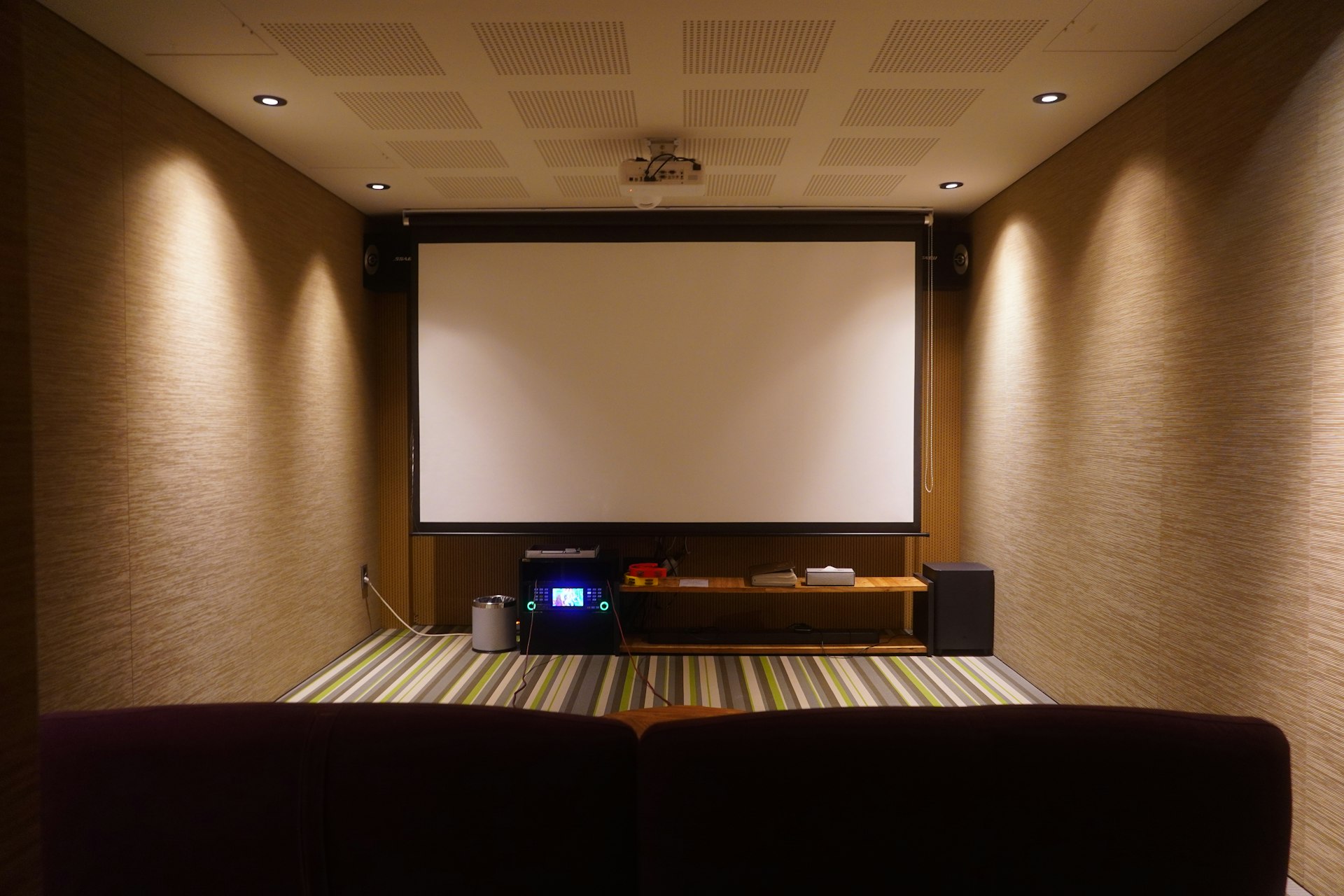
Whole-home 4K video distribution matrix installation in a Highlands Ranch Denver residence

Whole-home video

Every TV in the house. One rack of gear.

Centralize your cable boxes and streaming devices in one closet — and distribute crisp 4K HDR video to every TV with whole-home video distribution in Denver, AV-over-IP, and clean hidden source equipment.

Whole-home 4K video distribution matrix installation in a Highlands Ranch Denver residence

What's included with whole-home video

  • 4K HDR matrix switching (HDBaseT and AV-over-IP)
  • Centralized rack with hidden source equipment
  • Watch any source on any TV, any time
  • Sports bar mode — multiple games, multiple screens
  • Integrated with your automation and audio platforms
  • Whisper-quiet equipment cooling and cable management

Clean rooms

No cable boxes or wires at any TV — just the screen on the wall.

One remote

Same interface in every room, your kids actually understand it.

Future-proof

8K-ready cabling and modular hardware that scales with you.

Centralizing video distribution instead of a box behind every TV

A whole-home video system moves every cable box, streaming device, and media player out of individual rooms and into a single equipment rack, then distributes video to every TV over structured cabling using matrix switching or AV-over-IP technology. This means a homeowner in a multi-TV property across Cherry Creek or Castle Pines can watch any source — a cable channel, a streaming app, a security camera feed — on any television without a device cluttering the console under each screen, and without buying separate streaming hardware for every room.

This approach also simplifies maintenance and upgrades considerably. Replacing or adding a source device happens once in the rack rather than at every TV location, and rewiring for a new technology standard — say, a future video format requiring different bandwidth — touches the rack and cabling infrastructure rather than every individual room.


Cabling choices for new construction versus retrofit projects

New construction and full remodels across Highlands Ranch and Castle Rock's newer developments let us run structured cabling for video distribution during framing, choosing HDBaseT or AV-over-IP cable runs based on distance and bandwidth needs for the specific home's layout. Planning this during prewire avoids retrofitting cable later for a video standard that didn't exist or wasn't budgeted for when the home was built.

Retrofitting whole-home video into an existing home in neighborhoods like Littleton or Lakewood follows the same access-point and existing-chase logic as any other retrofit project — using attic and basement access, existing conduit, and minimal, well-patched access points to run new cabling to each TV location without extensive drywall repair. Where running new cable to a specific TV isn't practical, AV-over-IP technology can sometimes ride on existing network cabling already in the walls, reducing how much new cable needs to be pulled.

Multi-source flexibility and everyday use

Beyond simple convenience, matrix switching enables genuinely useful scenarios — watching multiple live sports games across different TVs simultaneously for a game-day gathering, or letting one household member watch a streaming show in the primary suite while another watches cable news in the kitchen, all from the same shared source equipment. This kind of flexibility isn't really possible with independent devices at each TV, since it depends on the central rack routing signals dynamically to wherever they're requested.

We integrate whole-home video control with the same app or remote running lighting, audio, and climate, so switching sources on a given TV happens through the same interface a household already uses for everything else, and we finish every installation with hands-on training so whoever uses each TV daily understands how to pick a source without confusion.

Trusted brands

Whole-home video — brands we install.

Frequently asked questions

How much does whole-home video distribution cost in Denver?
A four-TV system with a centralized rack, matrix switching, and unified control typically starts around $6,500 installed. Larger homes with eight or more displays, AV-over-IP switching, and integrated automation generally run $15,000–$45,000. Every project is fixed-bid after an in-home walkthrough.
What is the advantage of centralizing cable boxes and streaming devices?
Every room gets a clean wall with only the display on it, all sources are shared instead of duplicated, and service and upgrades happen at one rack instead of behind seven TVs. It also removes the clutter of duplicate subscriptions and mismatched remotes.
HDBaseT or AV-over-IP — which do you use?
It depends on the house. HDBaseT over Category cable is cost-effective and rock-solid for a fixed set of displays. AV-over-IP is the better choice when you want easy expansion, many-to-many switching, or long runs across a large Front Range property, because you add displays by adding endpoints instead of replacing a matrix.
Can video distribution be retrofitted into an existing Denver home?
Often, yes. It comes down to whether we can get Category cable from a central closet to each TV location. We survey attics, basements, and closet stacks first, and where a run genuinely isn't possible we place a local source or a licensed wireless link at that display instead of guessing.
Will everyone in the house be able to watch different things?
Yes. A matrix system lets any source appear on any TV independently, so the kids can stream in the basement while a game runs in the great room and the primary suite watches something else. Sports-bar layouts with multiple games across multiple screens are a common request here.

Background reading before you spec the system, plus the Denver suburbs where we install it most.

Guides worth reading first

Works well with

Where we install this

Get a free whole-home video consultation in Denver.

Free in-home consultations across the Denver Metro Area.

Book a Free Consultation